Dreading the Summer Holidays? Here’s One Simple Strategy that Can Make a Difference…
For many parents, the countdown to the summer holidays isn't always filled with excitement. Some parents are working full time, caring for older parents and younger children and without the school routine, they have no child care. They may be financially struggling and worried about what their children are going to eat without their school 'hot' meals. This can bring feelings of stress and overwhelm.
How will I keep the children entertained?
Can I afford six weeks of activities?
How am I going to juggle work and childcare?
Will the children be bored?
If you've ever found yourself counting down the days until the start of the new school term, you're certainly not alone, and it's ok to feel like this. The good news is that the summer holidays don't have to feel like six weeks of survival. With a little planning and a few simple strategies, they can become calmer, more enjoyable and far less stressful—for everyone.
One Tip That’s Worked Brilliantly in Our House
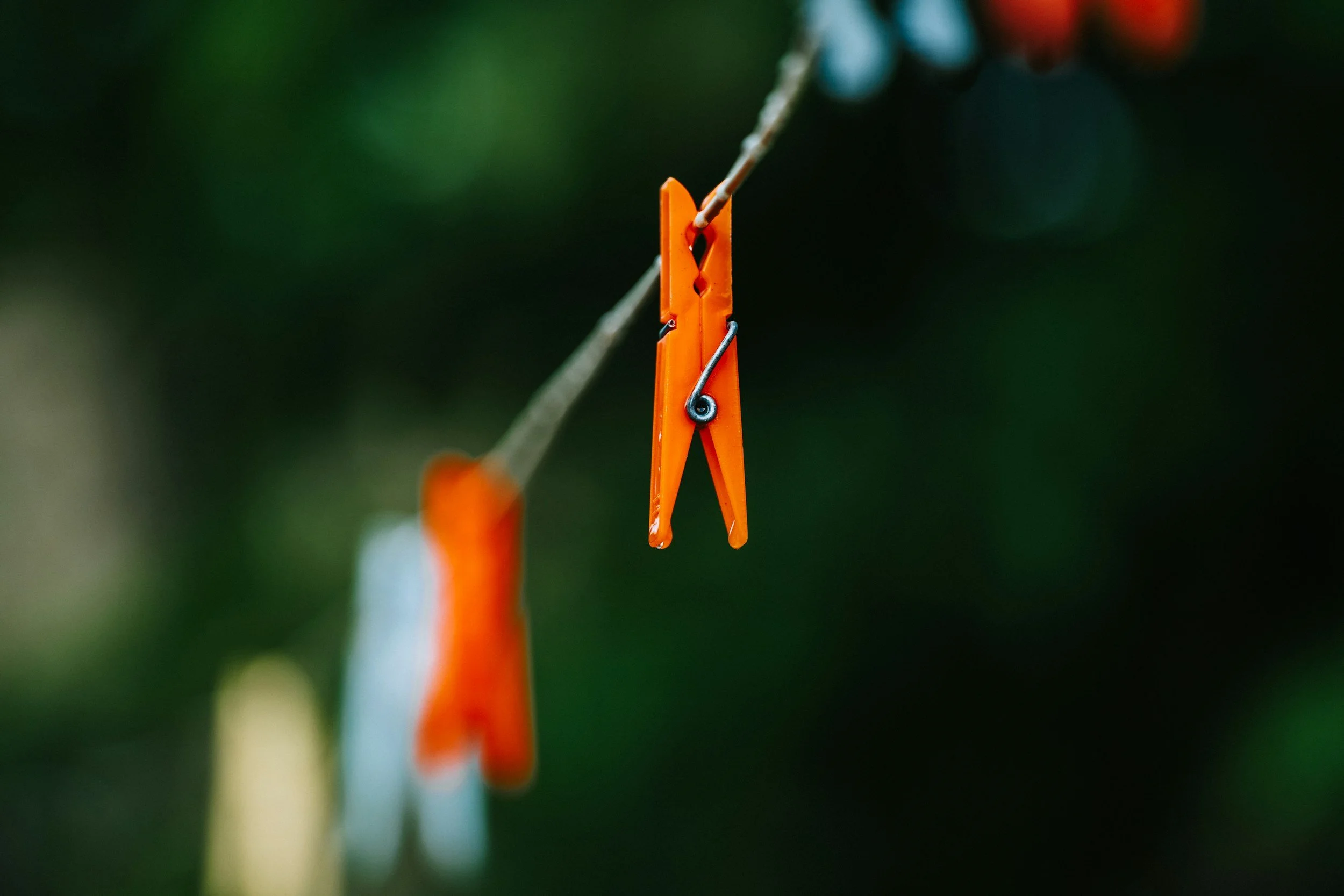
As a mum of five, I've found that one of the best ways to reduce my own mental load is to make the children part of the team. Rather than constantly reminding them to help around the house, we use a simple clothes peg reward system. Take a piece of string and hang it somewhere visible, just as you would for Christmas cards. Write each child's name on a clothes peg and clip it onto the string. Each child has a few age-appropriate jobs to complete during the week. These might include making their bed, feeding the dog, helping with the washing, setting the table or tidying their room. Every time they complete one of their jobs, they earn another clothes peg on the string.
Once they've collected an agreed number of pegs, they earn a reward you've chosen together.
The reward doesn't need to cost money. It could be:
Choosing the family film
Baking their favourite cake together
An extra bedtime story
Picking the picnic spot
An ice cream after a family walk
It's simple, visual and gives children a sense of achievement, while teaching responsibility and taking some of the pressure off you.
A Calmer Summer Starts With a Plan
Children thrive on routine, even during the holidays. Having a simple plan for the week, building in a mixture of free activities, days out and downtime, can make the whole family feel more settled.
Most importantly, don't forget to plan some time for yourself too. You don't have to spend every minute entertaining everyone else.
Join Me For My Summer Workshop
If you'd like more practical ideas like this, I'd love you to join me for my 90-minute parent workshop: "How to Cope in the Summer Holidays."
Together we'll explore:
Affordable childcare ideas.
Low-cost activities the whole family can enjoy.
Creating a daily planner you'll actually stick to.
Simple ways to reduce overwhelm.
How to carve out time for yourself without feeling guilty.
My aim is to help you create a calmer, happier summer for both you and your family.
📅 Tuesday 14th July
🕖 7.00–8.30pm
To book visit: https://www.eventbrite.co.uk/e/1991176963900?aff=oddtdtcreator
Because the summer holidays should be about making memories—not simply counting down until September.
When September Feels Like a Loss as Well as a New Beginning
September is often spoken about as a fresh start. Children return to school, young adults begin college or university, and familiar routines start again. But for some mums, this time of year brings mixed emotions – excitement, nervousness and a sense of loss.
Perhaps you loved having your children at home during the summer. You enjoyed the slower mornings, spontaneous days out and simply knowing they were nearby. You may even feel embarrassed admitting that when everyone else seemed to be counting down the days until school started again, you’re mourning the time with your children.
There is nothing wrong with feeling this way.
You can love your children deeply, enjoy their company and still find the holidays tiring. You can recognise that returning to education is good for them while also grieving the end of your summer together. Both feelings can exist at the same time.
The change can feel particularly significant when a child starts college or leaves for university. Their world is growing, which is exactly what we want for them, but it can leave an unexpected gap in ours. When so much of your identity has been connected to caring for your children, you may find yourself wondering: Where do I fit now? Who am I when they need me differently?
September also brings a physical change in the seasons. The evenings draw in, the mornings feel cooler and summer begins to slip away. Some people love the arrival of autumn, with its cosy jumpers and crisp mornings. But, like me, you may crave the warmth and freedom of those hot, longer days.
We may be wondering - how will the children cope with their new teachers, subjects or friendships? Will they settle into college? How will they manage living away at university? How will everyone adjust to earlier mornings, homework, clubs and new responsibilities?
And how are you going to create a routine that works for this new stage of family life?
Be gentle with yourself as you adjust. Try not to dismiss your feelings simply because other people are celebrating the return to school. Give yourself permission to acknowledge what you are missing.
It may also help to:
Create a simple routine rather than expecting everything to fall into place immediately.
Plan something enjoyable for yourself each week.
Stay connected with people who understand how you feel.
Spend time doing something that belongs to you—not just to your role as a mum.
Notice what you need in this new season of life.
Remember that adjustment takes time for you as well as your children.
September can represent new beginnings, but new beginnings often involve letting go too. You don’t have to rush into feeling positive. Give yourself space to grieve the season that has ended while slowly discovering what the next one might hold for you.
To receive regular tips to help with wellbeing, sign up to my newsletter here: https://docs.google.com/forms/d/e/1FAIpQLSdRV2RzgQTo6sPB-0n4Qp_DQuJtY1hUBRjbTtJ9aNL127zxKQ/viewform?usp=publish-editor
How Do I Make More Time for Myself?
"When I have time."
It's a phrase I hear all the time from the women I work with.
They'll exercise when they have time. Read that book when they have time. Meet a friend for coffee when they have time. Take care of themselves when they have time.
The problem is, for many women, that time never arrives.
There will always be work deadlines, school runs, washing to put away, meals to cook, ageing parents to support, appointments to attend and people who need something from us. Life doesn't pause while we wait for things to calm down.
One of my favourite books is The Time Is Now by John P. Strelecky. One of the key messages is that life isn't something that starts when we finally have more time, less stress, or fewer responsibilities.
Life is happening right now. There is no future, there is no past - it's the here and now.
The Myth of Finding Time
Many of us spend years trying to find time. But the truth is, we can't make more time. Every one of us gets the same 24 hours in a day. The difference lies in how we choose to spend them - you have a choice.
That doesn't mean we can suddenly create hours of free time out of nowhere. Many women, particularly those in the sandwich generation, are balancing careers, children, ageing parents and countless other responsibilities.
What it does mean is that we can become more intentional about where our time goes.
A Simple Technique: Time Blocking
One of the most effective tools I use personally is time blocking.
Rather than keeping a long list of things I'd like to do "when I get a chance", I block every activity in my diary that I plan to do. The key is to treat those blocks of time as appointments. You wouldn't cancel a dentist appointment because the washing needed doing. You wouldn't miss an important work meeting because somebody asked for a favour. If something matters, give it a place in your calendar.
Because we don't find time.
We choose how we spend it.
Other Ways to Make Better Use of Your Time
Time blocking is one strategy, but it's not the only one. Different approaches work for different people.
Use a To-Do List
For some people, a simple to-do list works brilliantly. Writing tasks down can help clear mental clutter and stop you carrying everything around in your head.
The key is to be realistic. A list with 25 tasks on it isn't motivating—it's overwhelming. Have a longer list of tasks you’d like to accomplish over the month and transfer the top 5 to a weekly list. Pay attention to those that stay on the list for weeks - what is making you put that task off?
Try identifying your top three priorities for the day and focus on those first.
Reward Yourself
We're often very good at moving straight from one task to the next without stopping to acknowledge what we've achieved.
Small rewards can help build momentum and motivation.
That might be:
A coffee after finishing a difficult task
Ten minutes with a book
A walk around the block
Watching an episode of your favourite programme
Progress deserves recognition.
Try the Pomodoro Technique
If you struggle to focus or find yourself constantly distracted, the Pomodoro Technique can be incredibly effective. Set a timer for 25 minutes and focus on one task only. When the timer goes off, take a five-minute break. Repeat the process four times and then take a longer break. I found this particularly good for my boys when they were studying for their GCSEs/A levels this year.
It's amazing how much can be achieved when we give something our full attention for a short period of time.
Be Curious About Procrastination
This is where coaching conversations often become interesting.
Many people tell themselves they haven't done something because they don't have time. Sometimes that's true. But more often than not, it's not true.
Sometimes the task makes us feel uncomfortable.
Perhaps we're worried we'll fail.
Perhaps we're afraid of being judged.
Perhaps the task feels overwhelming.
Perhaps deep down, we're not convinced we deserve to prioritise ourselves.
In those situations, "I don't have time" can become a socially acceptable way of avoiding something that feels difficult.
The question then becomes:
Is it really a time issue, or is something else getting in the way?
When we start to understand what's driving the procrastination, we can begin to address the real problem rather than simply trying to manage our time more effectively.
What Matters Most?
One thing I often explore with coaching clients is where their time is actually going and whether it's aligned with what matters most to them. So often, women are spending their time responding to everyone else's priorities while their own wellbeing, goals and needs are pushed further and further down the list.
The reality is that time management isn't always about finding more hours in the day.
Sometimes it's about making different choices.
Sometimes it's about setting boundaries.
Sometimes it's about asking for help.
And sometimes it's about giving yourself permission to matter too.
So I'll leave you with this question:
What's one thing you'd make time for this week if it was already blocked out in your diary?
If a conversation about how my one to one coaching programme could help you, get in contact.

Feeling Like You’re Holding Everything Together?
It All Begins Here
4th June 2026
There comes a point in many women's lives when it feels as though everyone needs something from them. Children need encouraging, guiding, and supporting; very much my world at the moment as I come to the end of GCSEs and A Levels for two of my sons.
Ageing parents need care, attention, and emotional support as they navigate new ways of life either having lost someone or with deteriorating health. Work continues to demand energy, focus and commitment.
Friends, family and everyday responsibilities all compete for space in an already full life.
And somewhere in the middle of it all, many women find themselves asking:
"When did I stop being a priority in my own life?"
If this sounds familiar, you're not alone.
The Invisible Load Many Women Carry
The women I work with are often highly capable, caring and dependable professionals that may find it awkward asking for help. They're the people others turn to not the people who go to others. But asking for help is a sign of courage, not weakness. Be it from a relative, a friend or a professional.
They're juggling careers, family life, ageing parents, relationships and the countless responsibilities that come with keeping life moving. From the outside, they often appear to be coping well. But underneath, many are carrying an invisible load. The constant thinking. The planning. The remembering. The worrying. The emotional labour that comes with caring for everyone else.
It can feel relentless.
Three Things I Want Every Woman to Know
1. You're Not Failing – You're Carrying Too Much
One of the most common things I hear from women is: "I don’t have the time." The reality is often very different. We can’t make time but we change how we use it. Many women aren't failing. They're overloaded. They're trying to meet the needs of multiple people while leaving very little time, energy, or space for themselves. Recognising this can be the first step towards creating change.
2. Boundaries Are Not Selfish
Many women struggle with boundaries because they worry they'll disappoint people or people will judge them. But healthy boundaries aren't about caring less.
They're about caring sustainably.
Sometimes a boundary sounds like:
"I can't do that today."
"I need some time before I answer."
"I'm not available then."
"I need support too."
Small boundaries can create big shifts.
3. Your Wellbeing Matters Too
When life becomes busy, wellbeing is often the first thing to disappear yet it should be your essential. Rest gets postponed, whether that be sleep, a good book or a day at a spa. Needs get ignored. Time for yourself gets pushed to the bottom of the list, yet this is counter intuitive as we can’t pour from an empty cup. Your wellbeing isn't something you should have to earn. It isn't a reward for getting everything done. It's an essential part of living well. And when your wellbeing improves, everything else becomes easier to navigate too.
Creating Space for Yourself
One of the biggest misconceptions I see is that creating space means adding more to an already full schedule.
It doesn't.
Sometimes creating space means:
asking for help
letting go of perfection
saying no
resting before you're exhausted
recognising that your needs matter too
Small changes can have a profound impact on how you feel.
A Question for You
If you had just one extra hour each week that was entirely yours, how would you spend it?
Not catching up. Not helping someone else. Not ticking jobs off a list. Just for you.
Your answer may tell you more than you realise, remain open and curious to what that answer is telling you.
Over the coming weeks, I'll be sharing practical tips, reflections and coaching insights to help women create healthier boundaries, improve their wellbeing, and feel more like themselves again.
Because supporting others shouldn't come at the cost of losing yourself.